The New season of Major League Rugby starts this weekend I am sure that a host of new fans will be tuning into the premier Rugby competition, in North America, looking to see some of the new big name signings made by the clubs.
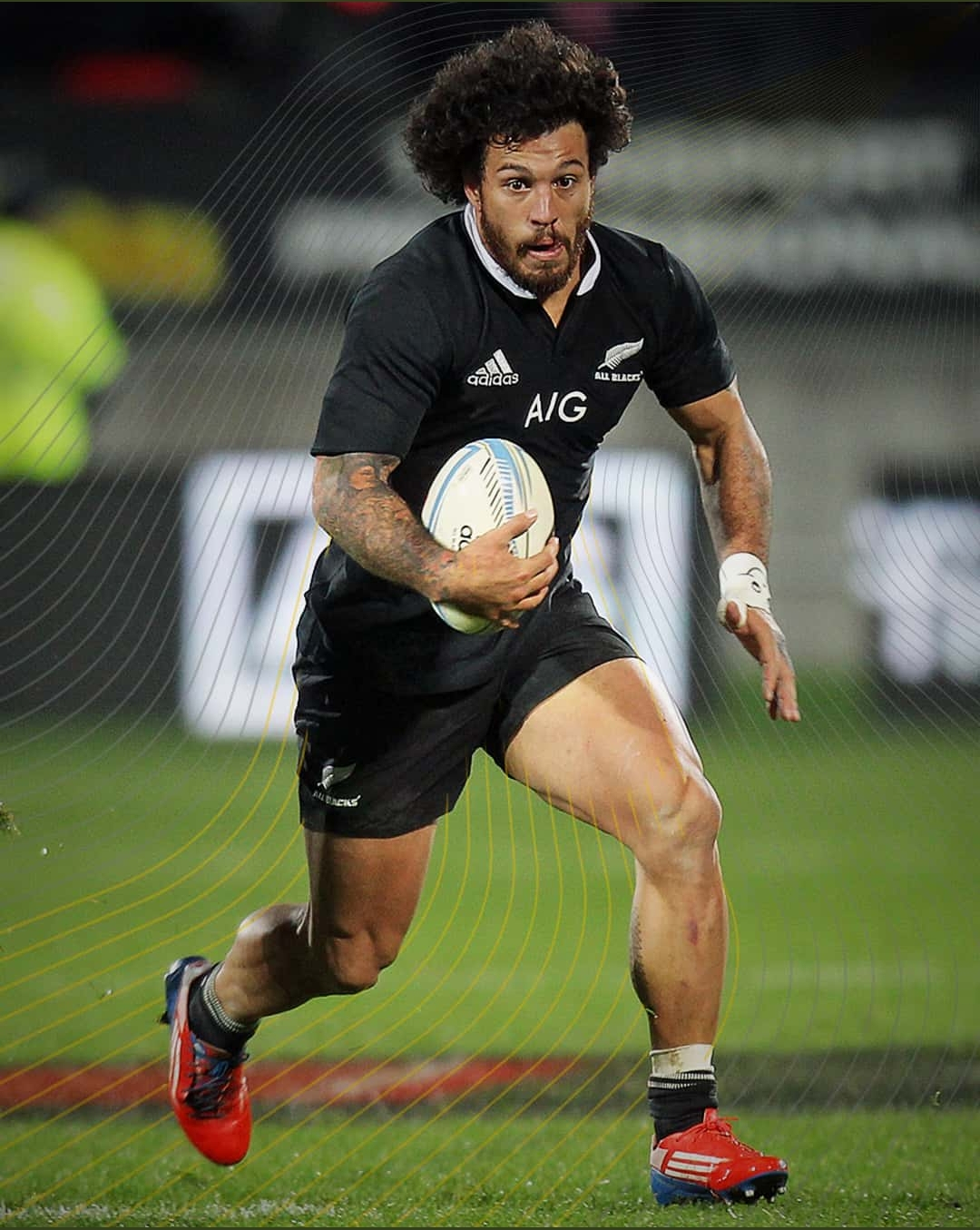
But, how can a new fan, with no understanding of Rugby familiarise themselves with who does what? Well I am going to try and break down the positions by comparing them to Sports American fans may be more familiar with. I am starting this review with the players up front, who form the pack of forwards.
Props:
Jersey numbers 1 and 3 (Substitutes 17 and 18)
The Big guys who anchor the Scrum. Over the last decade, Props have gone from being on the pitch for purely scrummaging to being more athletic and skillful players. Although, they still carry an extra few lbs compared to their team mates in the backline. The Props line up either side of the Hooker in the Scrum. The Prop on the Hooker’s left hand side, is the Loosehead (number 1), as their head is on the outside of the scrum, their role in the scrum is to find the right angle, to gain an advantage in the scrum, and set his team rolling.
The Tighthead (Number 3), is on the Hookers right hand side, they usually have more ballast than the Loosehead and are more of a straight line scrummager, they also try to angle into the Hooker, to add extra pressure on them. Playing Prop, is one of the most demanding positions on the field, which is why you will often see them being replaced around the 50 minute mark.
I would compare the Props to the right and left Guard, in Football, players who face a high level of attrition, and play an important role in maintaining stability for the team. They have to be more athletic than they appear, and usually they lift the most weight in the gym. With deadlifts and squats being the staple of a front rows Gym life.
Hookers Jersey number 2 (Substitutes 16)
A position, which has had more puns on its name, than any other in Rugby. The Hooker plays a key role in the team. They are usually the shortest member of the front row, but have the same attributes, in terms of strength and power as the Props. At the top level of Rugby, Hookers are usually quicker than the Props and have two technical challenges as part of their role. They must hook the ball that is fed into the Scrum by the Scrum half, back to their team. This leaves them trying to maintain their strength on one leg, usually with an opposition Prop angling their weight into them to disrupt their equilibrium. Referees have taken a more lenient view on the straightness of the feed into the scrum over the years, mainly due to the demands on the Hooker. Scrums explained here.
You will also see the Hooker throwing the ball into his teams Lineout. This is a form of restarting the game when the ball leaves the field of play, and involves the two sets of forwards who line up opposite each other in parallel lines. The Hooker then times their throw to the jumper, who then (Hopefully) wins the ball and passes the ball down to his Scrum half, or keeps the ball to form a driving maul. The latter usually happens closer to the opposition Try line as a driving maul can be difficult to stop at close range. Hookers are judged on their Lineouts and are seen as liable for blame for any of the aspects of the lift and throw that goes wrong. Where do they compare to other Sports positions? They would make a good Center in Football, as the mechanics of a scrum can resemble the body position Centers get themselves in when snapping the ball. A Hooker could also compare to a nose tackle, a player who niggles the opposition and gets under their skin, whilst making a lot of heavy duty tackles.
Second Row aka Locks Jersey numbers 4 and 5 (Substitutes usually 19)
The tallest players on the pitch, they are the powerhouse of the team, strong, fit and robust. They work flat out during a game, they usually act as the main lineout target and are frequently ruthless, rugged players who can dominate the forward battle. I would compare them to Tackles in Football, aggressive Giants, who do not need an excuse to make their presence known, or even give their opposition a punch. They are often the enforcer of the team, but not in the same vein as the enforcer in Ice Hockey. Second Rows, are needed in the scrums where their role is to steady the scrum, and are also big ball carriers in open play.
The Back Row Jersey numbers 6,7 and 8 (Substitutes usually number 20)
These players form a balanced unit which is usually the key selection decision in a team winning. But, they are also very different positions, so I have to break down the back row into individual positions.
6 aka the Blindside Flanker. The back row support their colleagues in the scrum, the Flankers latch onto the backside of the Props and create a wedge which keeps the scrum straight and safe. The number 6 usually lines up on the Blindside or narrow side of the pitch. They are usually a strong tackler and also carry the ball frequently. Slightly heavier than their compadre at 7, but fit and ferocious. The blindside is usually the steady influence on the game, a solid and consistent performer. They can do the fancy stuff if required, but are normally busy doing the unseen work, which steals a team an extra 2% in the game. My comparison would be to a defensive end in Football. The blindside does a lot of the disruptive work a defensive end would do, which makes their team mates job easier. A Derek Wolfe and Von Miller kind of relationship, where Wolfe (The blindside flanker) creates pressure which takes the oppositions focus away from Miller ( The Openside flanker) and allows him to get a sack.
7 aka Openside Flanker. Usually the most dynamic player on the field. They are in the middle of everything , they have to be the fittest player in the team to keep up with play. A 7 lines up on the opposite flank of the scrum to the blindside and has a lot of space to cover to catch up with the ball. They usually cause a nuisance of themselves at Rucks and Mauls (See Ex Wales 7 Sam Warburton at work here) and have to be disciplined to find an advantage. They are more of a cunning Junkyard Dog, who can cope with the heavy artillery, yet keep up with the speedy backs to support them. I would compare an Openside Flanker to a Middle Linebacker. Organised, rough and ready to wallop anything in their way into next week for the win.
Number 8 aka 8 Man Jersey number 8. The 8 usually gets more of the ball than anyone else in the Forwards. They are heavy and powerful, yet also have to be fit and skillful. They often gather up pace before finding contact. They need to do the grunt work and have the ability to attack the open spaces. I would compare the 8 to a tight end, who needs to block for their team mates, yet can also be a prominent feature in the attacking game.
Scrum Half Jersey number 9 (substitutes 21)
The Terrier of the team, the pace setter and arch nemesis of the opposition back row. They follow the Forwards around the pitch and pass the ball out to the backs to launch attacks. Scrum halves decide if the ball reaches the backs or stays in the ‘tight’ with the Forwards. The Scrum half needs to be on the same wavelength as their outside half, to ensure the tactical gameplan is executed. They are Razor sharp and often look to break around rucks (See all Blacks Tj Perenara sniping here), which leads to teams leaving players on the edges of Rucks to prevent them making breaks. The Scrum half is a unique position, in attack they set the pace and deliver the ball to the outside half, and also have the role of kicking tactically to gain territory. In defence, they are frequently used as line blitzers, like Wales Gareth Davies, who put pressure on opposition attacks and also have to tackle heavy forwards. I can’t think of a position they resemble in Football, due to their varied role. I feel, that Scrum half, is more of a Small Forward in Basketball, where they have important duties in attack and defence.
Outside Half aka Stand Off or Fly Half. Jersey number 10 (Substitutes 22)
The fulcrum of the attack, the Outside Half decides what plays to call and execute. They are Rugby’s equivalent to the Quarterback…. Except, they often have to tackle players much bigger than them, who have built up a lot of momentum. Outside Halves have a wide range of passing, they have the ability to spot weaknesses in teams defences and take advantage of these weaknesses. They have a good relationship with the Scrum half and communicate clearly, acting as a field general to their team mates. Outside halves, usually take the kicks at goal and to touch when penalties are awarded, as such, they amass a lot of points through the season. These players take a lot of punishment and are usually the scapegoats when a team loses. They steer the ball down the field, enabling their team to keep the opposition away from their territory.
Centres Jersey numbers 12 (Inside Centre) 13 (Outside Centre)
Now, these positions work in tandem but have slightly different roles. The Inside Centre, the Centre playing closest to the Outside Half, makes the hard yards, which gets the team on the front foot. Often, referred to as a crash ball 12 the inside Centre has to be multi faceted, they need to run hard and fast with the ball and much like a Running back are used to gain short yards. But, they also have a key role in defence, often, being the ‘Defensive Captain’ who organizes and communicates the blitz defence. Inside Centres also needs to be able to pass well to get the ball to their partner at 13.
13 aka Outside Centre.
The player wearing 13, will usually be quicker than their team mate at 12. They make outside breaks and try to use their pace to get around players. They have a difficult job in defence, As the channel or Zone they mark often has more attacking players than defensive players in. They have to make the correct decision in what to do, or risk the opposition making some serious gains in territory. As the game has evolved Centres have got bigger and more athletic, they are asked to cover a lot of the forwards responsibilities in the wide channels in regards to rucking and securing ball in the contact area (Tackle). A 13, is comparable to a shooting guard in Basketball. Essential in defence, with the ability to strike from long range in attack. A good 13 is often more appreciated when they are absent, such is the subtlety of their position.
Wingers jersey number 11 (left wing) 14 (right wing). The rockstars of the team, jet heeled clinical finishers, whose main job is to score tries. They can be the divas of the team and frequently back up their antics with their on field performances. Wingers have to negate the tactical kicking games of the opposition, and look to exploit any loose kicks heading their way. Wings, may not touch the ball often during a game, but when they do, they need to make it count. They defend the wide channels and rely on the players inside them to offer defensive support, to stop the other teams wingers skipping around them.
The wide receiver in American Football seems to be a clone of a rugby union winger. They are tenacious and voiceforus on the pitch, and can often only need one chance during a game to show their worth.
Full Back Jersey number 15
The last line of defence for their team, the Fullback lines up deep in field, behind the rest of the backline. A full back will be a very busy player during a game. They have to make a lot of key tackles and form attacks when returning Kicks. Full backs are usually quick, with great standing jumps, which enables them to contest kicks in the air. They can’t be tackled in the air so many teams will use this as a form of attack. Communication is a key part to their game, where they have to tell their team mates what is needed to be done to ensure the other team can’t score. Full backs usually end up making the most yards in a game, as they return so many kicks with the ball in hand. Their comparison would be them being a hybrid of: strong safety, cornerback and wide receiver. They can put in some brave tackles and can be big hitters. They also have to stop the wings from scoring tries as a last resort. They have attacking responsibilities and often have to finish chances quickly. Full backs form a key part of the spine of the team, and should instill confidence in their teammates in defence. Liam Williams, of Wales is one of the premier Full backs in the world.
So there is my Football/ Basketball position comparison for any new fans. I welcome your feedback, if there is any scope for further posts, aimed at American Rugby fans, please let me know.

 The Armchair and Beyond